USAF Tests Interceptor Drone To Hunt Iranian Shahed-Style Threat
Defense Blog’s Dylan Malyasov reports that U.S. Air Force Special Warfare Airmen tested a counter-drone interceptor in Arizona, designed as a low-cost solution against one-way attack drones, such as Iran’s Shahed drone.
Malyasov said the Guardian-1 Interceptor from defense startup Powerus was recently tested at the Arizona Army National Guard’s Florence Military Reservation and involved Airmen from the 48th Rescue Squadron, 7th Air Support Operations Squadron, and 316th Civil Engineer Squadron EOD.
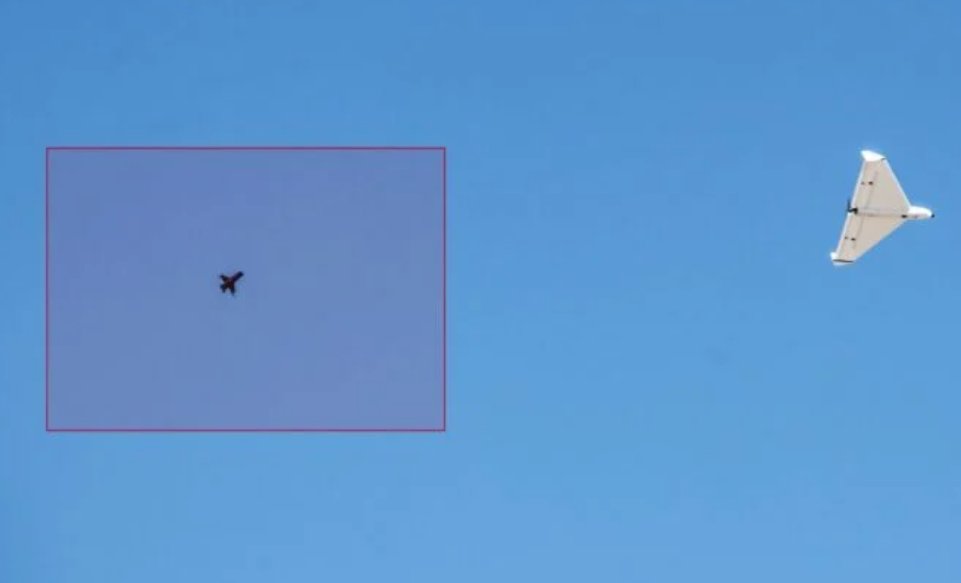
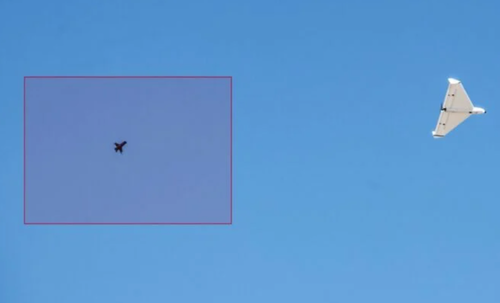
The field training exercise allowed the Guardian-1 Interceptor to intercept a Shahed-style drone, which is widely used by Russia in Ukraine and has become a major nuisance for US airbases in the region amid the ongoing US-Iran conflict.
Malyasov explained:
The exercise integrated a commercial kinetic interceptor with an expeditionary counter-small UAS capability to address what the Air Force describes as critical capability gaps for small teams operating outside the wire — forward-deployed elements that lack access to the fixed-site air defense systems that protect larger bases and installations.
“A beautiful sight. Our interceptor drone locking onto a target drone high above a U.S. military base. Clean skies, pure precision. This is next-gen air defense in action,” Powerus founder Brett Velicovich told the defense media outlet.
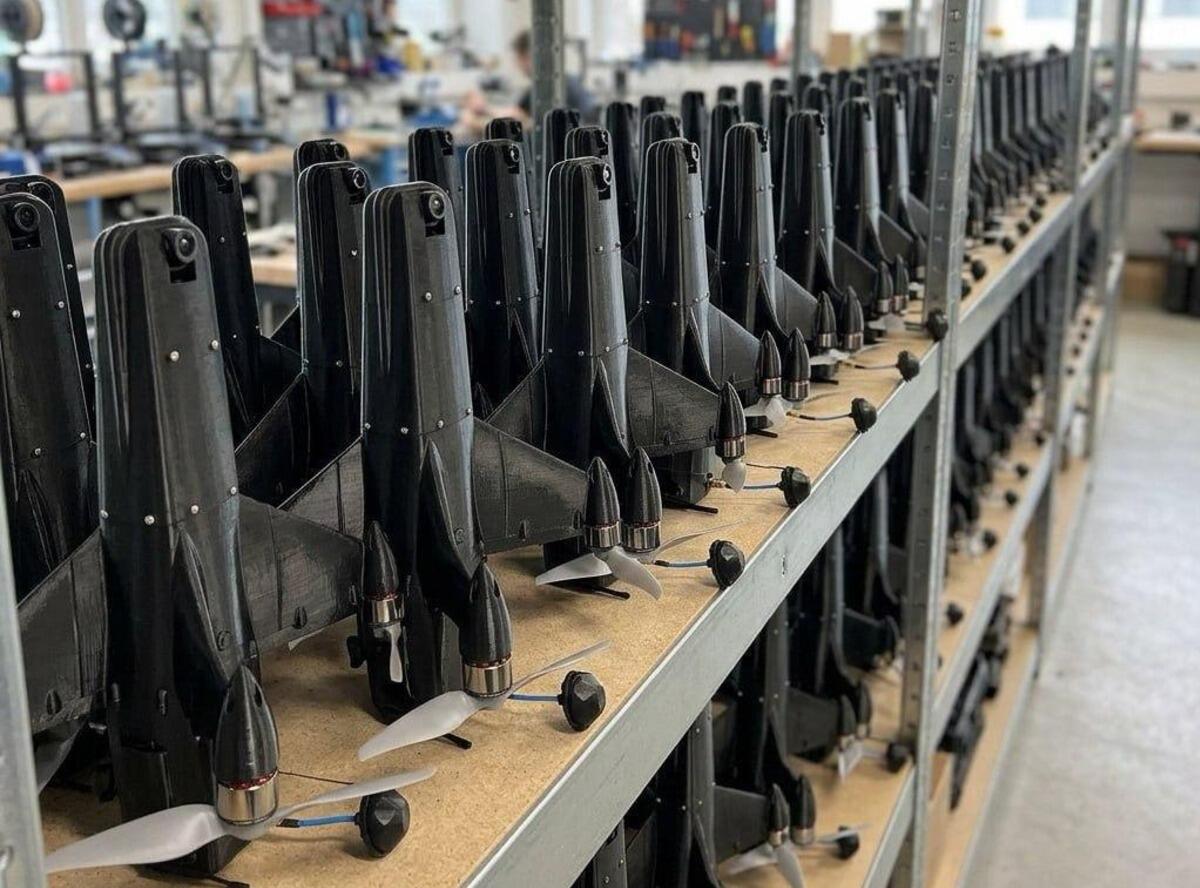
The Guardian-1 weighs around 6.6 pounds with its battery and can reach speeds in excess of 200 mph, with a maximum range of about 9.3 miles. The interceptor can reach altitudes of up to 16,400 feet.
US Air Force tested a Powerus commercial drone killer in Arizona against a simulated Shahed-type target — the same one-way attack drone used in Ukraine and the Gulf. Weighs 2.65 kg, costs a fraction of what it kills.
Read more: https://t.co/qIbZ9JHnT0 pic.twitter.com/Zy4vhbOCtZ
— Dylan Malyasov | 🧐 (@DylanMalyasov) April 30, 2026
Interceptor drones are a low-cost solution for the U.S. against Shahed-style drones, especially after the draining of critical missile stockpiles, which cost millions of dollars per unit. Meanwhile, Shahed-style drones cost around $20,000, if not less.
Ukrainian President Volodymyr Zelensky recently launched a sales pitch to the world, claiming that his military-industrial base is ready to produce millions of interceptors and autonomous weapons to the highest bidder.
Tyler Durden
Fri, 05/01/2026 – 17:40