
Please follow us on Truth Social, X, YouTube, Minds, Telegram, Rumble, GETTR, Gab, Instagram
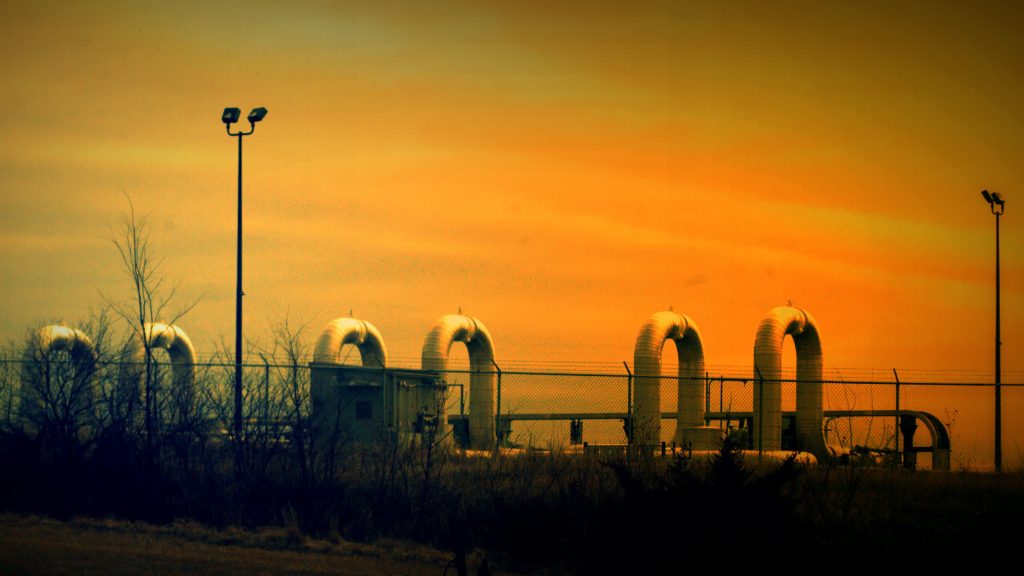
Writing on Truth Social, Trump revealed his last-second pause of 50 percent tariffs on $20 billion of Canadian goods hours before they were to be charged. As part of the announcement, Trump declared that the “great Keystone XL Pipeline, long ago killed by Sleepy Joe Biden, may be awoken from the grave.”
A spokesperson at the U.S. Trade Representative confirmed the agreement includes “comprehensive market access for all American goods, economic security commitments, digital trade alignment, and many important provisions that will continue to protect our market and American workers, along with our Canadian partners.”
Part of the framework also includes considerable movement on dairy, alcohol, and auto market access for the U.S. Canada has agreed to remove all discriminatory practices against American auto, dairy, and alcohol products. In response, the White House officially suspended the 50 percent tariffs, and both Washington and Ottawa agreed to pause retaliatory measures during the three-day window.
Canadian Prime Minister Mark Carney took a more cautious approach in his statement, saying, “Substantial progress has been made, although there is important work still to be done.” Both countries have pending documents to finalize, and in the interim Canada’s retaliatory tariffs are also paused.
The real story here is the Keystone XL angle. Biden killed the 1,700-mile pipeline in January of 2021 in one of his first acts in office, wiping out hundreds of thousands of barrels per day in crude oil transport capacity and delivering a direct blow to American energy workers across the northern states.
Trump’s suggestion that the pipeline “may be awoken from the grave” as part of the proposed Canada deal is significant because it signals something the Washington establishment spent years denying — that the construction of American energy infrastructure is back on the table.
Last year, the U.S. and Canada engaged in nearly $900 billion worth of trade, making it one of the largest bilateral trade relationships in the world. The threatened Section 338 tariffs would have impacted electronics, dairy, alcohol, and wood products. Existing Section 232 tariffs on autos, metals, and forest products remain under negotiation.
Analyst consensus is cautious. Scotiabank’s Derek Holt noted that the Canadian dollar only appreciated about a quarter of a cent on the news — suggesting markets aren’t treating this as a done deal. “What’s in the deal? Dunno. Do I trust there is a deal because Trump said so? Not really,” Holt wrote in a client note. Key sticking points remain automobile tariffs and lumber, with Canada pushing for meaningful relief on both.
This framework matters regardless of whether the fine print holds up. America First trade pressure produced real negotiating leverage. Canada blinked. And the ghost of Keystone XL — the pipeline that green lobby groups spent decades killing — just got a heartbeat back.
‘NO AD’ subscription for CDM! Sign up here and support real investigative journalism and help save the republic!