“The National Security Premium”: US Plan To Counter China In Critical Miners Could Drive Up Global Prices
The US is pressing its allies to rethink how they source essential minerals, urging them to accept higher prices if it means reducing reliance on China, which currently dominates much of the global supply, according to a new report from Financial Times.
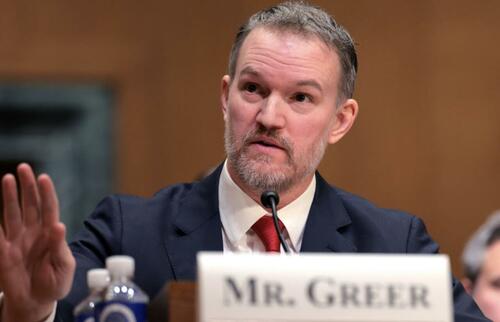
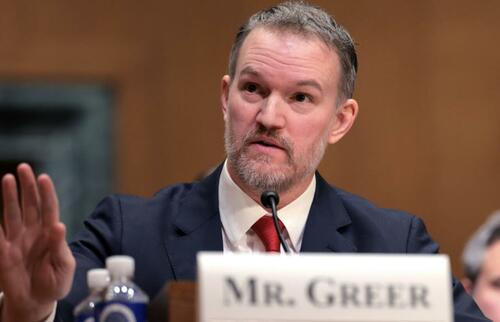
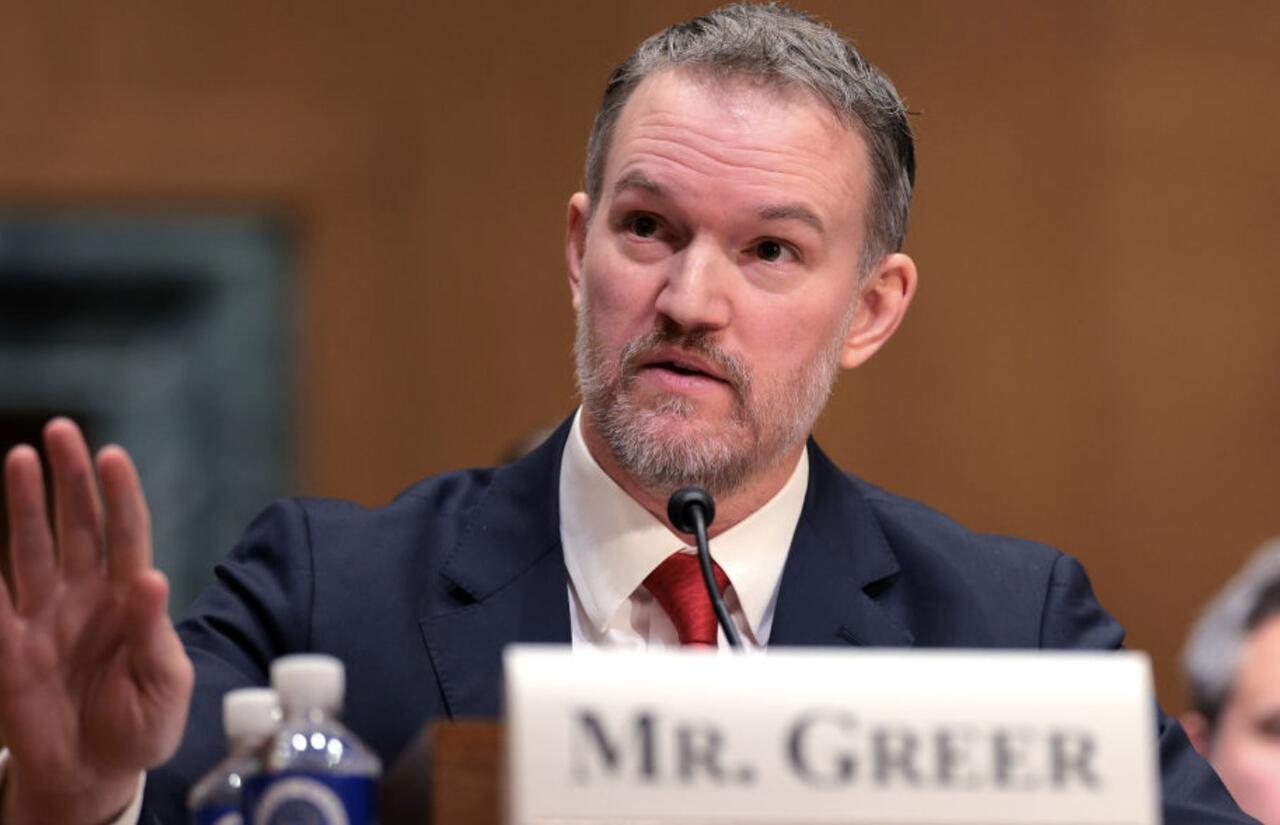
According to US Trade Representative Jamieson Greer, countries working with Washington should expect to pay extra for materials obtained through a proposed network of trusted partners. He framed this added cost as a necessary trade-off to strengthen supply chain security.
The idea under discussion involves setting minimum price levels for critical minerals among participating nations. The goal is to make mining and processing outside China financially viable, while potentially using tariffs or other restrictions to block cheaper imports from non-participants.
“There is a premium we pay, and I call it the national security premium, and we will all pay a national security premium to have a secure supply chain,” Greer said.
Not everyone is convinced. Some US partners, speaking privately, worry that such a system could drive up expenses for key industries and provoke a response from China. Businesses in sectors like defense, car manufacturing, and renewable energy could be particularly affected if input costs rise.
The debate reflects a broader challenge: breaking China’s grip on these resources is difficult after years of heavy investment that gave it a leading position. At the same time, many developed economies are already dealing with inflation and high energy prices, adding to the sensitivity around any policy that could increase costs further.
The FT report says that Greer has pushed back on concerns about affordability, arguing that prioritizing low prices in the past is exactly what left Western countries dependent on Chinese supplies. In his view, paying more now is the price of building a more secure and resilient system.
Meanwhile, governments are wary of possible retaliation. China has previously used its control over mineral exports as leverage, and any coordinated effort to sideline its role could lead to countermeasures.
Despite these tensions, there are signs of cooperation. Earlier this year, partners including the EU and Japan expressed interest in working together on a joint framework for critical minerals. Ideas being explored include shared pricing arrangements, financial support to bridge cost gaps, and agreements to buy from one another rather than external suppliers.
Tyler Durden
Sun, 04/26/2026 – 19:15