Sweden Will Consider Ways To Limit Energy Use If Iran War Continues, Government Says
Authored by Victoria Friedman via The Epoch Times (emphasis ours),
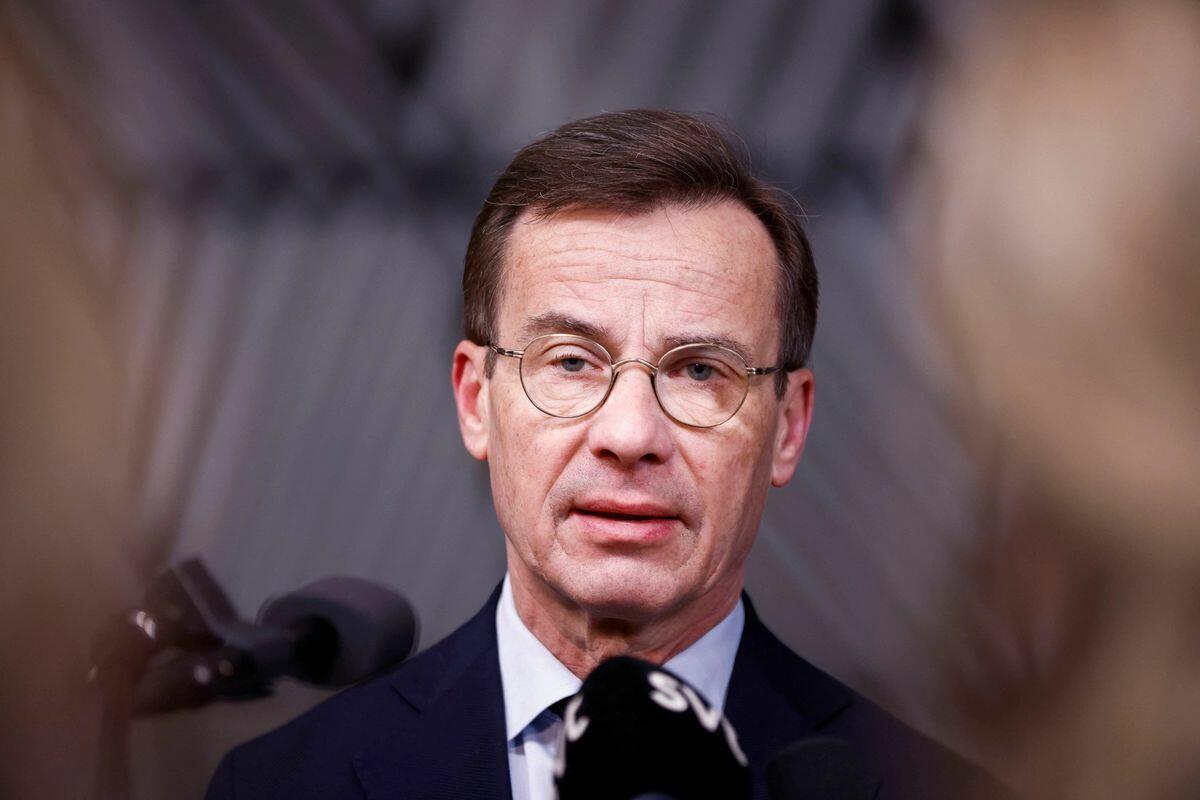
Sweden may need to consider options to reduce energy consumption, including rationing, if the disruption to the flow of fuel supplies continues as a result of the Iran war, the country’s prime minister and finance minister said on on April 23.
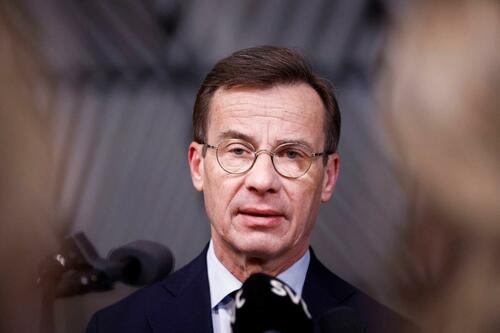
“We are not planning any rationing right now, but we are prepared for it to happen,” Prime Minister Ulf Kristersson said at a press conference, according to Swedish daily newspaper Aftonbladet.
Speaking alongside the prime minister, Minister of Finance Elisabeth Svantesson described the situation as “the worst crisis in a very long time, when it comes to energy.”
“Government rationing is something that you absolutely want to avoid in every situation. That is why we are working on measures that will ensure that we do not get there,” Svantesson said.
Kristersson also said the Swedish economy is now in a worse scenario than it was before the conflict.
The warnings from Sweden come as other countries in Europe are bracing for the impact of surging energy prices.
On April 22, Germany’s economy ministry cut its growth forecasts in half for 2026, with Minister for Economic Affairs and Energy Katherina Reiche saying economic recovery will be “slowed down by external geopolitical shocks.”
Germany now expects 0.5 percent growth for this year, down from an earlier projection of 1 percent. Next year’s growth outlook has also been cut 0.9 percent from 1.3 percent.
The Federal Ministry for Economic Affairs and Climate Action said the Iran war, and the closure of the Strait of Hormuz “especially,” has led to shortages and a rise in the price of energy and other commodities.
The ministry now expects inflation to increase to 2.7 percent this year and 2.8 percent in 2027, up from 2.2 percent last year.
Airlines Impacted
Airlines are increasing prices, cutting back on perks, and dropping routes to save money and fuel.
United Airlines said on April 22 it may have to increase ticket prices by up to 20 percent to offset the rise in jet fuel costs.
The airline’s CEO Scott Kirby made the announcement to investors during a quarterly earnings call, saying United’s goal “is to do whatever it takes to recover 100 percent of the increase in jet fuel prices as quickly as possible.”
“Yields need to increase by about 15 percent to 20 percent,” Kirby said, adding that the company is assuming fuel prices could remain elevated for longer, according to a transcript of the call published on financial commentary and analysis site Seeking Alpha.
“Realistically, there probably isn’t enough time to make up 100 percent of the fuel price increase this year. But I feel very good about 100 percent recovery and getting to double-digit margins in 2027.”
Lufthansa announced on April 21 that 20,000 short-haul flights would be canceled this summer.
The German carrier said in a statement that the flights “will be removed from the schedule through October, equivalent to approximately 40,000 metric tons of jet fuel, the price of which has doubled since the outbreak of the Iran conflict.”
Elsewhere, Air Canada said last week it would stop flying to New York City’s John F. Kennedy International Airport and raise baggage fees on some flights because of rising fuel costs.
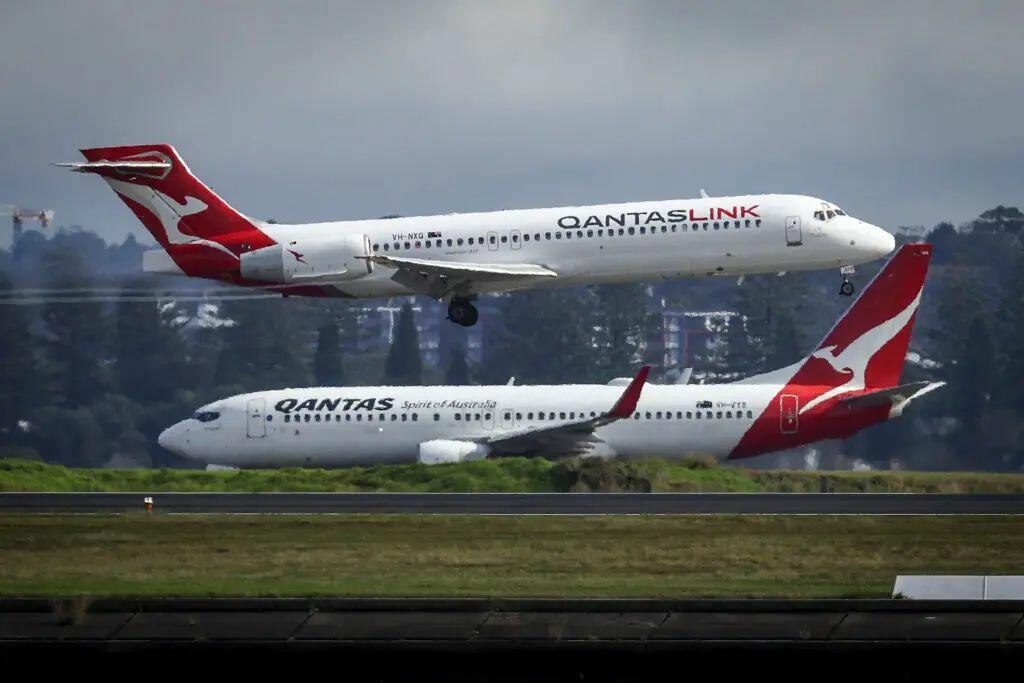
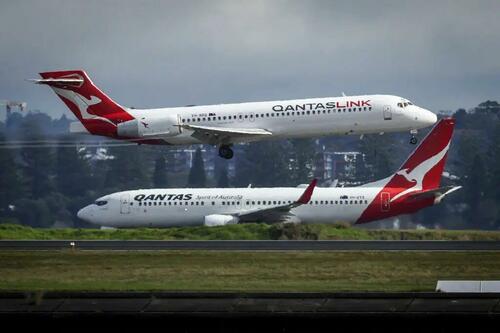
Virgin Australia said last week that it was raising fares, and Australian carrier Qantas Airways said last month that it would increase fares on its international routes in response to the surge in jet fuel costs.
Guy Birchall and Owen Evans contributed to this report.
Tyler Durden
Fri, 04/24/2026 – 05:00