South Korea Curbs Syringe Hoarding As Iran War Cripples Supply
The downstream consequences from the Hormuz closure are popping up in the most unexpected places.
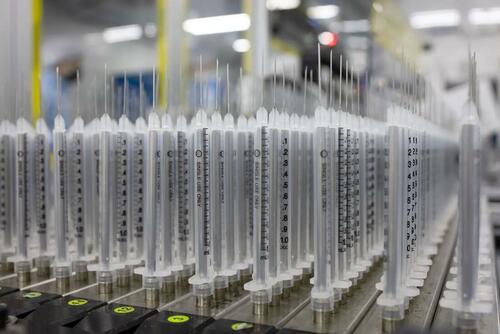
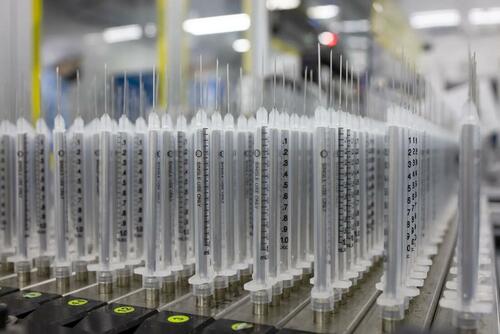
According to Bloomberg, South Korea’s health regulators are stepping in to curb syringe hoarding as supply chain disruptions tied to the Middle East conflict threaten the availability of essential medical supplies.
While overall syringe production remains steady at about 4.5 million units a day – slightly above 2025 averages – hospitals report dwindling inventories, and online platforms show rising prices and empty virtual shelves, according to the Ministry of Food and Drug Safety.
Starting Monday the ministry will deploy 35 inspection teams, made up of police and medical device officials, to carry out a nationwide probe into intermediaries and other firms suspected of creating artificial shortages to drive up profits.
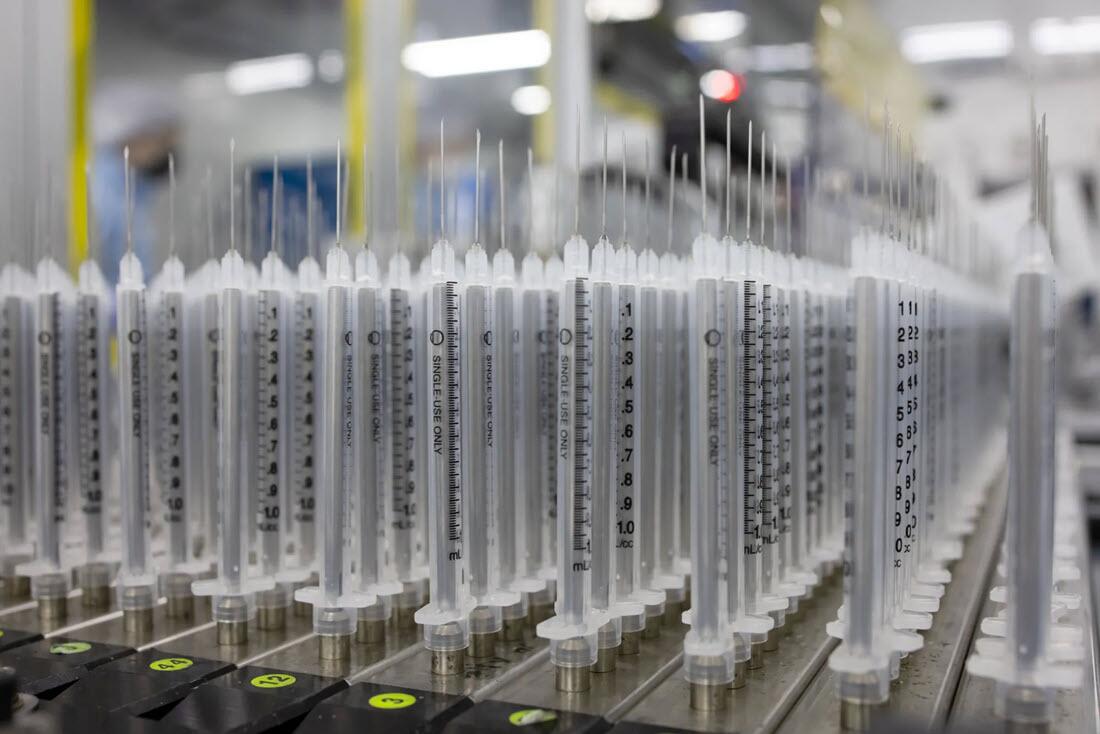
Syringes are the latest everyday item in South Korea to be hit by spillover from the Iran war, which has disrupted supplies of naphtha, a petroleum derivative used in plastics manufacturing. Products such as syringes and intravenous fluid bags rely on polypropylene and polyethylene, both derived from naphtha.
Earlier, we discussed how US exports of ethane – which is also a key building block in plastics production – to China have soared, as naphtha supply remains indefinitely blocked as a result of the Hormuz closure.
“We’ve seen a surge in speculative demand as hospitals and clinics are preemptively ordering extra stock in anticipation of price hikes, which is creating artificial bottlenecks,” said spokesperson Jung Chul-woo of the Korea Medical Devices Association, which represents more than 700 suppliers.
Shortages of Middle Eastern crude have already stoked supply concerns in Asia’s fourth-largest economy, threatening everything from garbage bags to popular instant noodle brands, while also contributing to a broader jet fuel crunch across the region.
After manufacturers raised concerns about potential naphtha shortages, the government called on domestic refiners to prioritize supply allocations for local companies for the next three months, an official at the Ministry of Trade, Industry and Energy said. The ministry’s crackdown comes after a government mandate took effect April 14 banning the hoarding of syringes and needles. Withholding inventory or inflating prices is now punishable by up to three years in prison, or 100 million won ($68,000) in fines.
“Acts of hoarding medical devices essential to public health while exploiting a crisis are unacceptable,” Food and Drug Safety Minister Oh Yu-Kyoung said in a statement.
Tyler Durden
Tue, 04/21/2026 – 23:00