
Please follow us on Truth Social, X, YouTube, Minds, Telegram, Rumble, GETTR, Gab, Instagram
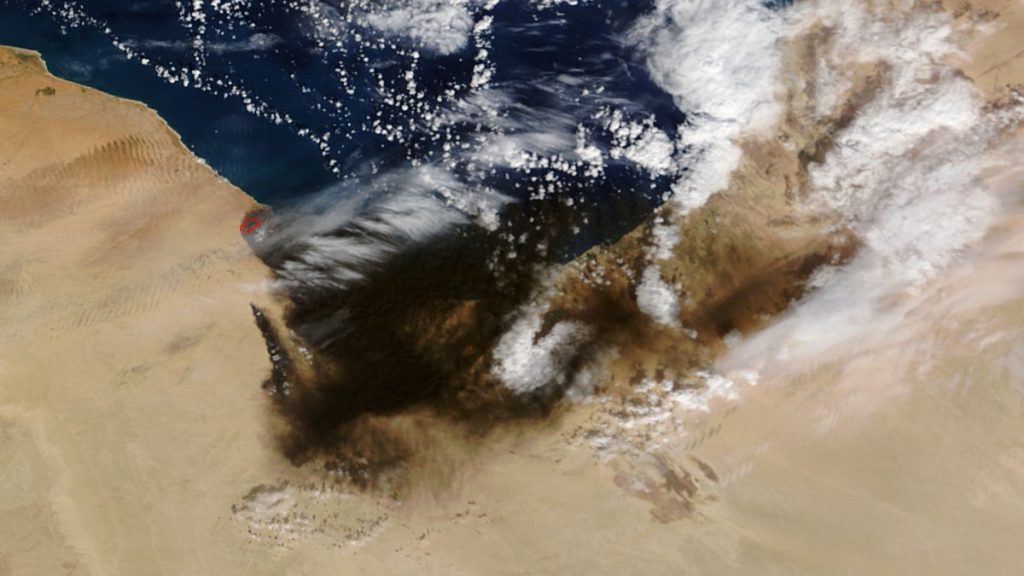
Libya’s fragile political order was shattered overnight by three simultaneous crises. The first of these was a car bombing on Monday night of Fawzi al-Mansouri, the military intelligence chief of the eastern Libyan National Army forces, as he left a mosque in Benghazi. There was no claim of responsibility, but Khalifa Haftar’s son Khaled called it a ‘despicable terrorist tactic.’ Simultaneously, the Zawiya oil refinery, Libya’s largest refinery, sustained three drone strikes in the span of roughly 48 hours, with the strikes igniting a fuel storage tank with a capacity of 4.5 million liters. Libya’s National Oil Corporation was forced to declare a maximum state of emergency and issue a warning of force majeure with no group claiming responsibility for those drone strikes. Rival militias in Zawiya fighting among themselves, and using the facility as a tool for a power struggle, made those drone strikes possible. Naji Issa, Central Bank Governor, also added to the chaos with the resignation letter he sent to the rival legislative bodies, the House of Representatives and the High State Council, citing the ‘sensitivity’ of the reasons.
Verisk Maplecroft’s risk analysts showed how rapidly Libya could go back to its worst days. “Drone attacks on oil infrastructure in Zawiya, a car bomb assassination in Benghazi and the resignation of a top Libyan official in 24 hours shows the fragile nature of Libyan security and politics,” said Hamish Kinnear, principal MENA analyst at Verisk Maplecroft, as quoted by Middle East Eye. These events show what happened as a result of the decision made more than a decade ago by Western governments — especially NATO — who removed Muammar Gaddafi from power even at the cost of destroying the state that held the country together. Instead, Libya has become a land of perpetual conflict: rival militias and governments, foreign mercenaries, and oil infrastructure weaponized in power struggles. No outside power has been held accountable for the chaos they helped create.
The National Oil Corporation, which funds both of Libya’s competing governments, warned that further attacks on Zawiya could force it to halt operations entirely — a development that would ripple through Mediterranean energy markets already strained by the Hormuz standoff. Turkey’s foreign minister held meetings with eastern army officials during the crisis, underscoring how deeply outside powers remain embedded in Libya’s unresolved civil war.
‘NO AD’ subscription for CDM! Sign up here and support real investigative journalism and help save the republic!