
Please Follow us on Truth Social, X , Youtube , Minds, Telegram, Rumble, GETTR, Gab, Instagram
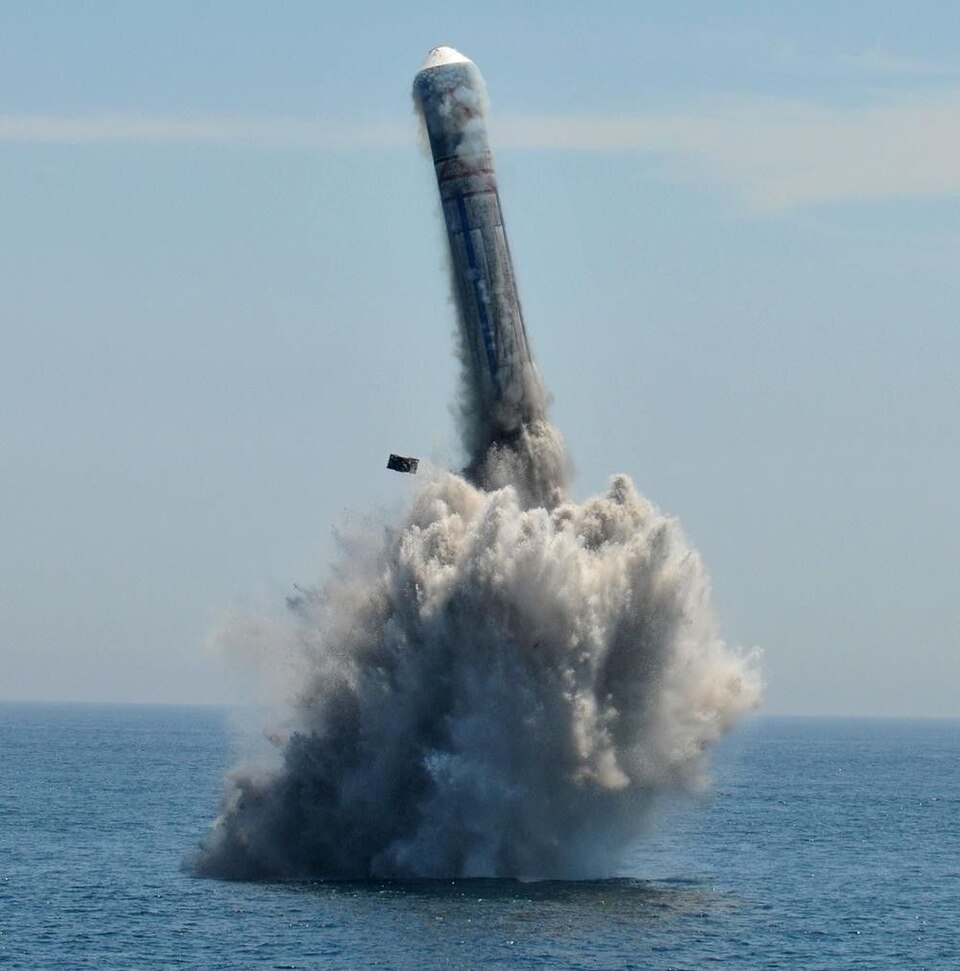
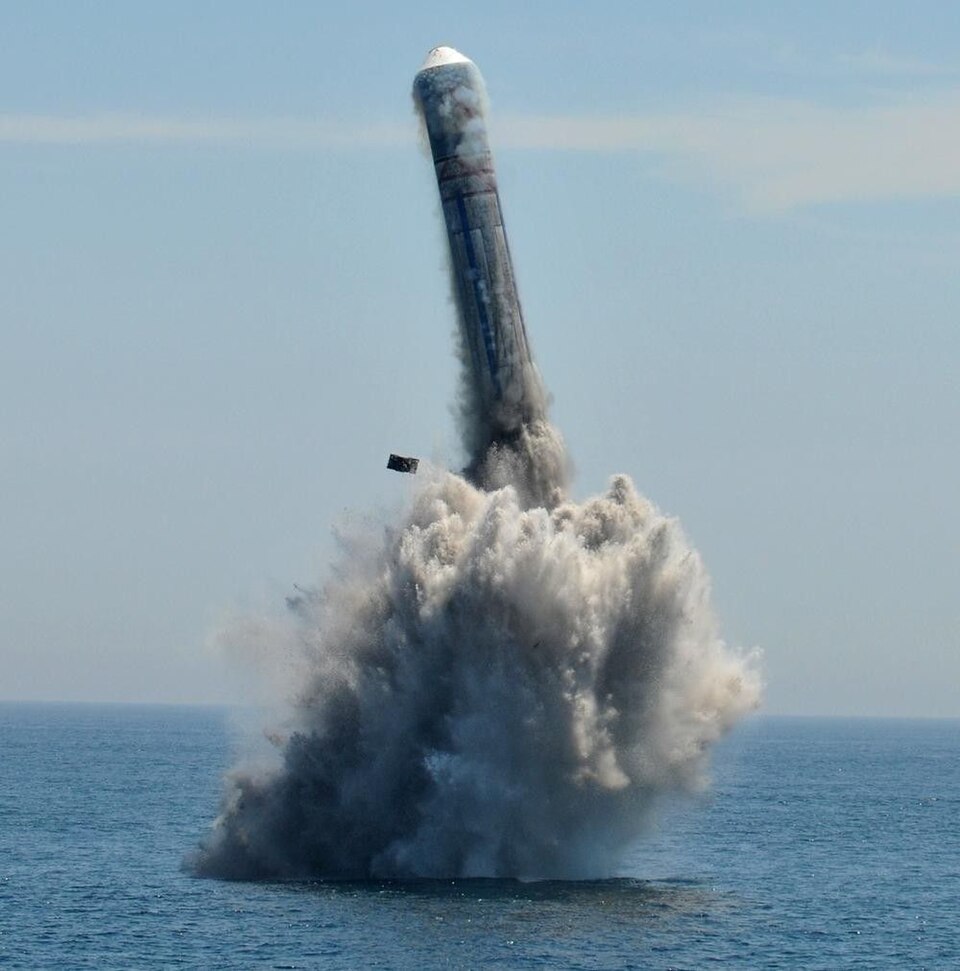
China’s submarine-launched ballistic missile test on July 6 — the first SLBM fired into the open Pacific in over 40 years — has set off a cascading diplomatic and strategic realignment in the Indo-Pacific. The missile, which flew over multiple Pacific islands before splashing down near Tuvalu’s exclusive economic zone, coincided almost to the hour with Australian Prime Minister Anthony Albanese signing a mutual-defence agreement with Fiji. Beijing called the launch “routine.” Pacific leaders called it a provocation from a country presenting itself as a partner.
Australia’s Defence Industry and Pacific Affairs Minister Pat Conroy said Sunday the test had “damaged China’s reputation” in the region and strengthened the case for a Pacific-led regional security pact. “I think it demonstrates that Pacific security can only be provided from within the Pacific,” Conroy told ABC’s Insiders. He warned the region was experiencing “the biggest arms race, the biggest build-up of military since 1945.” Leaders of Fiji, Papua New Guinea, Palau, Solomon Islands, and Tuvalu all issued sharp condemnations. Solomon Islands Prime Minister Matthew Wale, who has been the leading advocate for a Pacific Islands Forum security pact, said: “China is a good friend of the Solomon Islands, but this is not something a friend does.”
The Jerusalem Post and international security analysts noted that the test gave China’s military leadership a rare opportunity to assess its evolving nuclear deterrent’s most sensitive operations — specifically whether a submarine-launched second-strike capability is credible against U.S. Pacific forces. China did notify the U.S., UK, France, Australia, and New Zealand in advance, but offered no pre-notification to the Pacific island states over whose territory the missile flew. That asymmetry — alerting major powers, ignoring small sovereignties — has become the defining grievance driving the push for a regional compact.
CDM read: This is Beijing’s version of a message sent. The timing — fired hours after Australia locked in its Fiji mutual-defence pact, while the U.S. Navy is fully committed to the Gulf war — was not accidental. China is signaling its nuclear deterrent is operational in the Pacific at exactly the moment Washington’s attention is consumed elsewhere. The Australian-Fiji pact is a meaningful development: it is the first formal mutual-defence commitment Australia has signed with a Pacific island state, and it shifts the strategic geometry of the archipelago away from the China-leaning deals some Pacific governments signed in 2022-2024. Whether the Pacific Islands Forum turns this momentum into a formal security pact — meeting next month — will be one of the most consequential questions of the year.
‘NO AD’ subscription for CDM! Sign up here and support real investigative journalism and help save the republic!