Please Follow us on Truth Social, X , Youtube , Minds, Telegram, Rumble, GETTR, Gab
Israel and Lebanon agreed on April 24 to extend their fragile ceasefire by three weeks, even as U.S. President Donald Trump pushes for a broader regional agreement with Iran amid persistent fighting and heightened tensions in the Strait of Hormuz.
The extension, negotiated with White House involvement, builds on previous short-term truces reached on April 8 and April 16. However, violence has continued in southern Lebanon, underscoring the precarious nature of the pause.
Israeli strikes killed three Hezbollah militants in recent days, while Hezbollah responded with rocket and drone attacks targeting Israeli positions and northern communities. The past week marked one of the deadliest periods since the initial truce took effect, including the death of Lebanese journalist Amal Khalil.
Speaking from the White House, Trump emphasized a deliberate approach to diplomacy. “Don’t rush me,” he said, signaling he is seeking what he called an “everlasting” agreement rather than a quick fix. The president asserted U.S. dominance in the Strait of Hormuz, downplaying Iranian naval capabilities as “little wise-guy ships.” He directed U.S. forces to “shoot and kill” any Iranian vessels laying mines and warned that American forces could neutralize Iranian military rebuilding efforts in a single day, while explicitly ruling out the use of nuclear weapons.
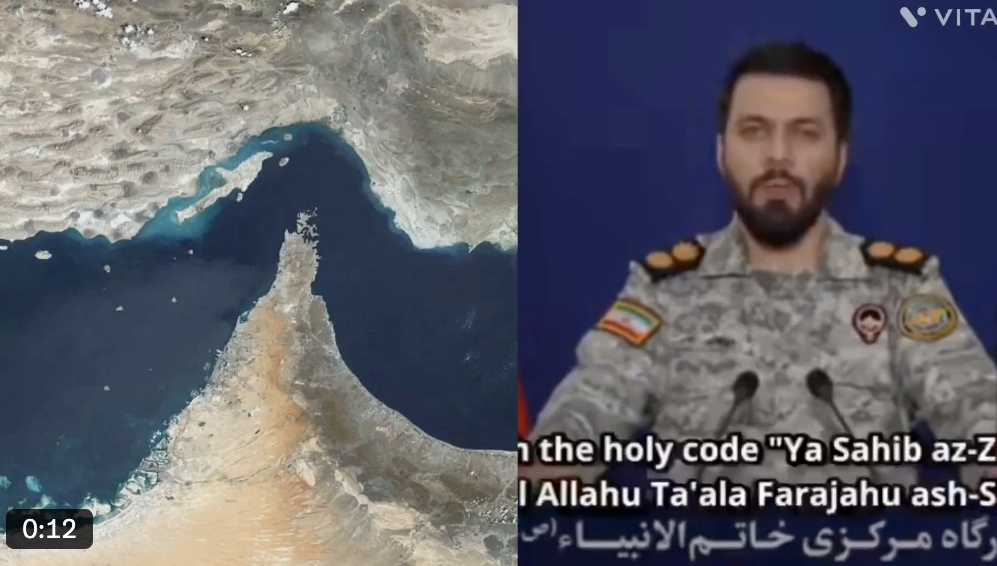
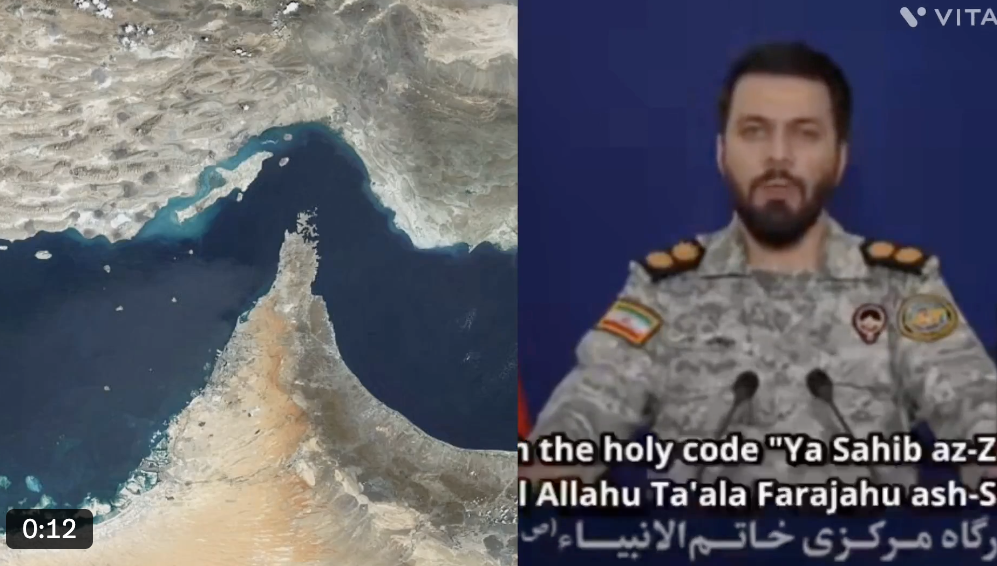
Despite the ceasefire extension between Israel and Lebanon, maritime traffic through the Strait of Hormuz — a critical chokepoint carrying roughly one-fifth of global oil supplies — remains severely disrupted. Iran has seized two large cargo ships and deployed swarms of small, fast boats in recent weeks, challenging U.S. naval enforcement with evolving asymmetric tactics.
Oil markets reacted sharply to the uncertainty. On April 24, Brent crude rose more than 1%, with U.S. crude futures gaining a similar amount.
The conflict, now entering its eighth week since late February, has strained alliances. U.S. officials are reportedly weighing measures against NATO partners hesitant to back operations in the region. Iran’s Supreme Leader Ayatollah Mojtaba Khamenei dismissed reports of internal divisions as “the enemy’s media operations.”
CNN reported that the U.S. military is developing contingency plans for potential strikes on Iranian defenses around the strait, including fast attack boats, mine-laying vessels, missile systems, and drones, should the ceasefire collapse.
Israeli Defense Minister Israel Katz warned of possible further escalation, while Lebanese authorities continue navigating Hezbollah’s position within the broader conflict.
The situation remains fluid, with both regional stability and global energy markets hanging in the balance as Trump administration officials work to secure what the president has described as the “best deal.”
‘NO AD’ subscription for CDM! Sign up here and support real investigative journalism and help save the republic!