

US, Philippines Launch Their ‘Biggest Ever’ Balikatan Drills With Large Japanese Contingent
Authored by Dave DeCamp via AntiWar.com,
The US and the Philippines on Monday launched what’s being billed as the “biggest ever” Balikatan Exercise, an annual military drill that, for the first time, includes a significant contingent of Japanese troops as Tokyo increases its military activity in the region, ramping up tensions with China.
The drills are scheduled to take place from April 20 to May 8 and will involve more than 17,000 troops, including about 1,400 Japanese military personnel.

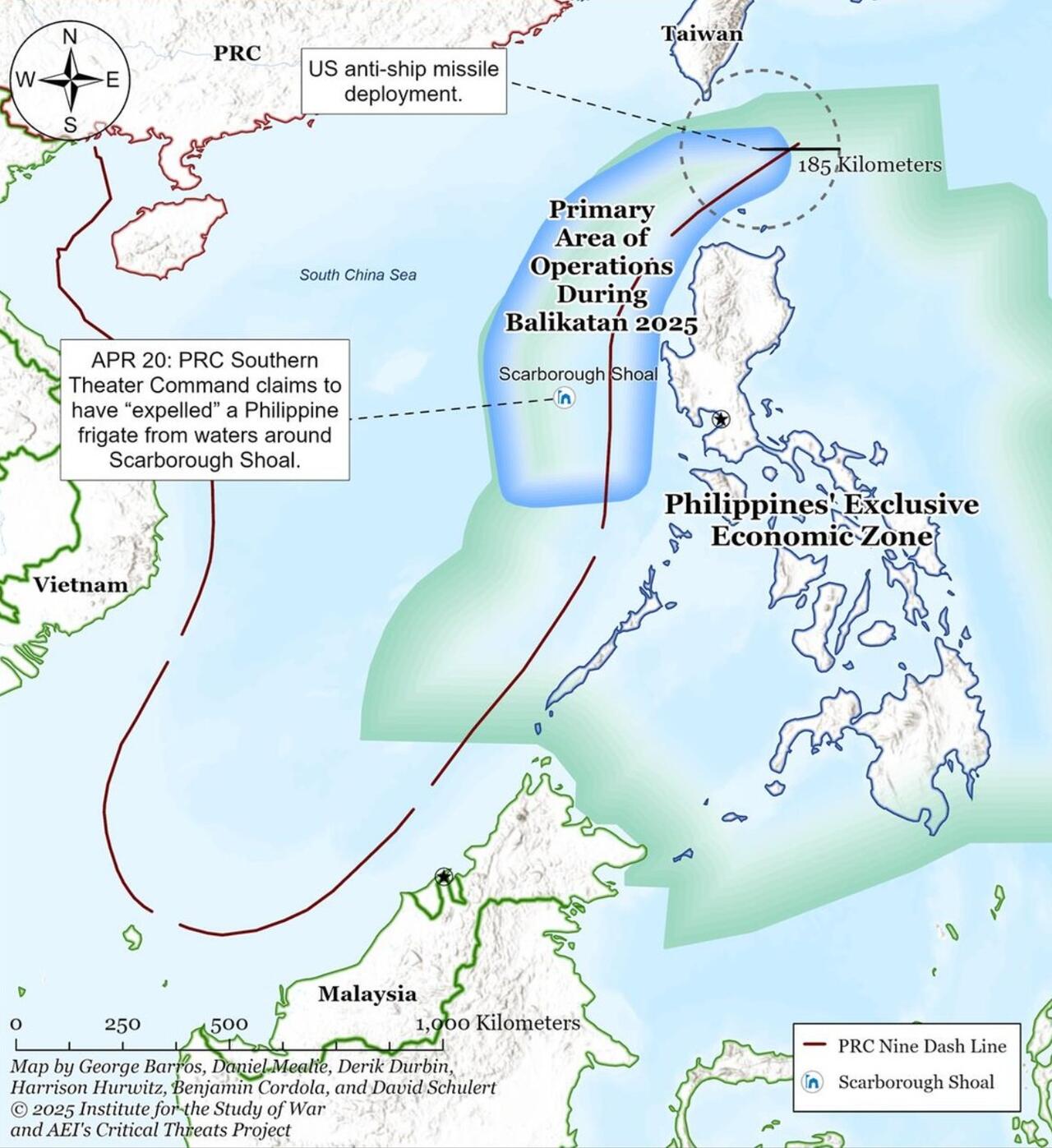
Importantly, exercises will include live-fire drills in the northern Philippines, facing Taiwan, and in Palawan, an island province facing the disputed South China Sea.
The start of the drills comes amid a very fragile ceasefire between the US and Iran, which is due to expire on Wednesday if it’s not extended.
While the US has committed more than 60,000 troops to the Middle East, the Trump administration continues to focus on building alliances in the Asia-Pacific as part of its strategy against China, including a new security deal with Indonesia.
In response to the start of the Balikitan drills, the Chinese Foreign Ministry strongly condemned the US activity in the region.
“The world has seen enough damage done by unilateralism and abuse of military might. What the Asia-Pacific needs most is peace and tranquility, and the last thing the region needs is division and confrontation as a result of the introduction of external forces,” said spokesman Guo Jiakun.
The location of the same drills last year, via AEI’s Critical Threats Project
“No military and security cooperation should be conducted at the expense of mutual understanding and trust as well as peace and stability in the region. Such cooperation should not target any third party or harm the interests of any third party. For countries that tie their own security to others, it is important to bear in mind that this may very well backfire,” Guo added.
Tyler Durden
Tue, 04/21/2026 – 21:45